
The first day of fall — also known as the autumnal equinox — arrives on September 23, 2026, marking the official start of autumn in the Northern Hemisphere. This seasonal transition brings shorter days, cooler temperatures, and the vibrant colors that define the autumn months. Whether you call it fall or autumn, this equinox signals the moment when day and night are nearly equal, ushering in a season of cozy traditions, crisp air, and changing leaves. Stay tuned as the countdown to fall continues and the excitement of autumn begins.
The Two Ways We Measure Fall: Astronomical vs. Meteorological
1. The Astronomical Start (The Autumnal Equinox) of Fall
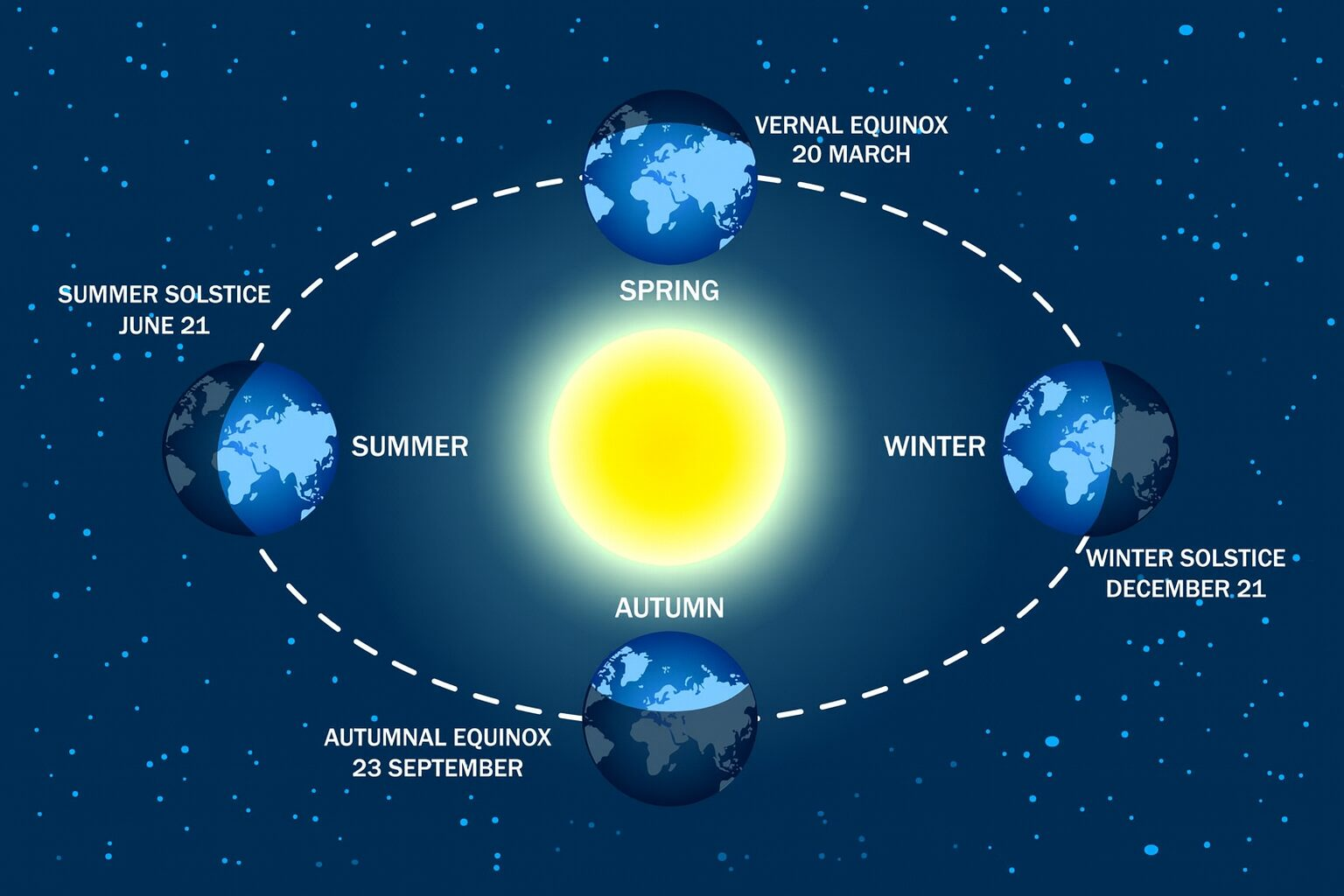
This is the “official” date most people refer to. It is defined by the Earth’s orbit around the Sun. The Autumnal Equinox occurs the exact moment the Sun crosses the celestial equator from north to south.
- The Science: During the equinox, day and night are roughly equal in length.
- The Timing: In the Northern Hemisphere, this usually falls on September 22 or 23.
2. The Meteorological Start of Fall
Meteorologists and climatologists use a different system based on the annual temperature cycle and the Gregorian calendar. This makes it easier to calculate seasonal statistics.
- The Date: Meteorological Fall always begins on September 1st and ends on November 30th.
- The Purpose: This consistency allows scientists to compare weather patterns from year to year without the “wobble” of the equinox dates.
Why does the date change every year?
You might notice the equinox isn’t always on the same day. This happens because a “year” on Earth isn’t exactly 365 days—it’s actually about 365.24 days.
Leap Years Shift the Calendar
To account for the extra quarter-day each year, leap years add a day to February. This causes the equinox to shift earlier on the calendar in some years.
Earth’s Orbit Isn’t a Perfect Circle
Our orbit is slightly elliptical, so Earth’s speed around the Sun varies. This affects the exact moment the Sun crosses the celestial equator.
The Extra .242 Days Each Year Add Up
Because a year isn’t exactly 365 days, the equinox occurs about six hours later each year. Every four years, a leap day resets the drift — but not perfectly.
Time Zones Play a Role
The equinox happens at a precise global moment, but your local time zone determines whether it falls on March 19, 20, or 21 where you live.
Long-Term Astronomical Cycles
Over centuries, gravitational interactions with the Moon and other planets cause tiny variations in Earth’s tilt and orbit. These long-term cycles also influence equinox timing.
First Day of Autumn Dates
The first day of Fall is determined by the astronomical equinox, not the calendar. To make things simple, the table below automatically displays the equinox date and day of the week, giving you an accurate view no matter where you’re visiting from.
| Year | First Day of Fall | Day of the Week |
|---|---|---|
| 2025 | September 22, 2025 | Monday |
| 2026 | September 23, 2026 | Wednesday |
| 2027 | September 23, 2027 | Thursday |
| 2028 | September 22, 2028 | Friday |
| 2029 | September 22, 2029 | Saturday |
| 2030 | September 22, 2030 | Sunday |
Track the Transition in Real-Time
Whatever date you choose to follow, the anticipation is half the fun. Our Live Fall Countdown tracks every second, minute, and hour remaining until the leaves begin to turn.
🍁 🍂 🍁 Pro-Tip: If you’re already planning your autumn porch display or looking for the perfect harvest wreath, head over to our Autumn Goods page to see the top trends for 2026.
🍁 FAQ: When Is the First Day of Fall?
Why does the first day of fall change every year?
The date shifts because Earth’s orbit isn’t a perfect 365 days. The autumnal equinox occurs at the exact moment the Sun crosses the celestial equator, and that moment changes slightly each year due to leap years and orbital variations. That’s why fall can begin on September 22, 23, or occasionally 24.
What is the astronomical first day of fall?
Astronomical fall begins at the autumnal equinox, the moment when day and night are nearly equal in length. This marks the official start of fall on calendars and is the date most people search for when asking, “When is the first day of fall?”
What is the meteorological first day of fall?
Meteorological fall begins on September 1 every year. Meteorologists divide the year into four fixed three‑month seasons to make climate tracking and weather statistics consistent. So while astronomical fall changes, meteorological fall is always September 1 through November 30.
Which one should I use — astronomical or meteorological?
If you’re looking for the official seasonal change, holiday timing, or equinox countdowns, use the astronomical date.
If you’re tracking weather patterns, climate data, or seasonal averages, the meteorological date is the standard.
Why do calendars use the astronomical date?
Calendars follow the Sun’s position in the sky, not weather patterns. The equinox is a measurable astronomical event, so it’s used as the official start of fall worldwide.
Does the first day of fall happen at the same moment everywhere?
Yes — the equinox happens at a single moment in time globally, but the local clock time depends on your time zone. That’s why your table converts the equinox to the visitor’s local time automatically.
Why does fall sometimes start on September 22 and other times on September 23?
Leap years and the slight mismatch between Earth’s orbital period and our calendar cause the equinox to drift. Over time, the date shifts back and forth between the 22nd and 23rd.